Senior Adult Singing

Singing Benefits for Senior Adults

         Aging affects the respiratory system. The decline may lead to difficulties with breathing and can also contribute to challenges physically, in brain function and even personality traits.

For Senior Adults, age-related changes in lung function can cause breathing problems and chronic respiratory issues or medical conditions.

Aging changes in the lungs. Bones and muscles that permit breathing lose their strength and elasticity which can cause breathing abilities to decline…tiredness and shortness of breath … the nervous system and immune functions are compromised.
There are several natural body changes that happen as you get older that may cause age-related breathing struggles and a decline in lung capacity. Muscles that assist with breathing such as the diaphragm can get weaker. Lung tissue that helps keep your airways open can lose elasticity, which means your airways can get a little smaller. Your rib cage bones can change and get smaller which leaves less room for your lungs to expand. 

Singing Benefits for Senior Adults

Aging changes many processes in the human body. The respiratory system declines leading to difficulties with breathing and other respiratory complications. This can contribute also to problems physically, in brain functions, and personality traits.
         For Senior Adults, age-related changes in lung function can cause breathing problems and chronic respiratory issues or medical conditions.Caregiver Guide: Breathing Problems”

         Aging changes in the lungs. Bones and muscles that permit breathing lose their strength and elasticity which can cause breathing abilities to decline…tiredness and shortness of breath … the nervous system and immune functions are compromised.
                     There are several natural body changes that happen as you get older that may cause age-related breathing struggles and a decline in lung capacity. Muscles that assist with breathing such as the diaphragm can get weaker. Lung tissue that helps keep your airways open can lose elasticity, which means your airways can get a little smaller. Your rib cage bones can change and get smaller which leaves less room for your lungs to expand. 

SINGING BENEFITS
SENIOR ADULT Breathing

          StarSong programs are designed to help senior adults utilize singing for both better breathing and general well-being. As participants learn and practice beneficial breathing techniques and exercises, they can strengthen and retrain their respiration habits to assist in building lung function.

“Singing for Lung Health (SLH – based in the UK) is a program that uses singing to help people with chronic respiratory conditions improve their breathing and quality of life. SLH programs teach breathing control and posture techniques and combine them with group singing . These programs can help people feel less breathless and use their blue inhalers less often.”
“Singing is aerobic… improves the efficiency of the body’s cardiovascular system, with related benefits to overall health. . …singing involves dynamic thoracic activity, with benefits to the underlying structure and function of the breathing mechanism. “The regular practice of singing by patients with dyspnea might also lead to desensitization of breathlessness due to the development of better breathing coordination , and reduce the anxiety and fear associated with unpleasant respiratory sensations.”
“Breathing with the ‘singer’s breath’ teaches participants to breathe deeply, which combats the degradation of muscles in the chest and abdomen and assists with oxygen transfer throughout the body. The deep breathing needed by singers has recently been shown to aid those with lung illness and could benefit many with reduced lung function who would like to improve their breathing.”
“Breathing with the ‘singer’s breath’ teaches participants to breathe deeply, which combats the degradation of muscles in the chest and abdomen and assists with oxygen transfer throughout the body. The deep breathing needed by singers has recently been shown to aid those with lung illness and could benefit many with reduced lung function who would like to improve their breathing.
“… singing has been life changing. Studies show numerous benefits of singing for patients with various lung diseases. One of them is an increase in blood oxygen level saturation.”
“Research has demonstrated group singing’s numerous psychosocial benefits and positive impacts on physical health, especially on lung function …. Participants reported decreases in levels of shortness of breath following singing.”

Additional Advantages for Singing Seniors

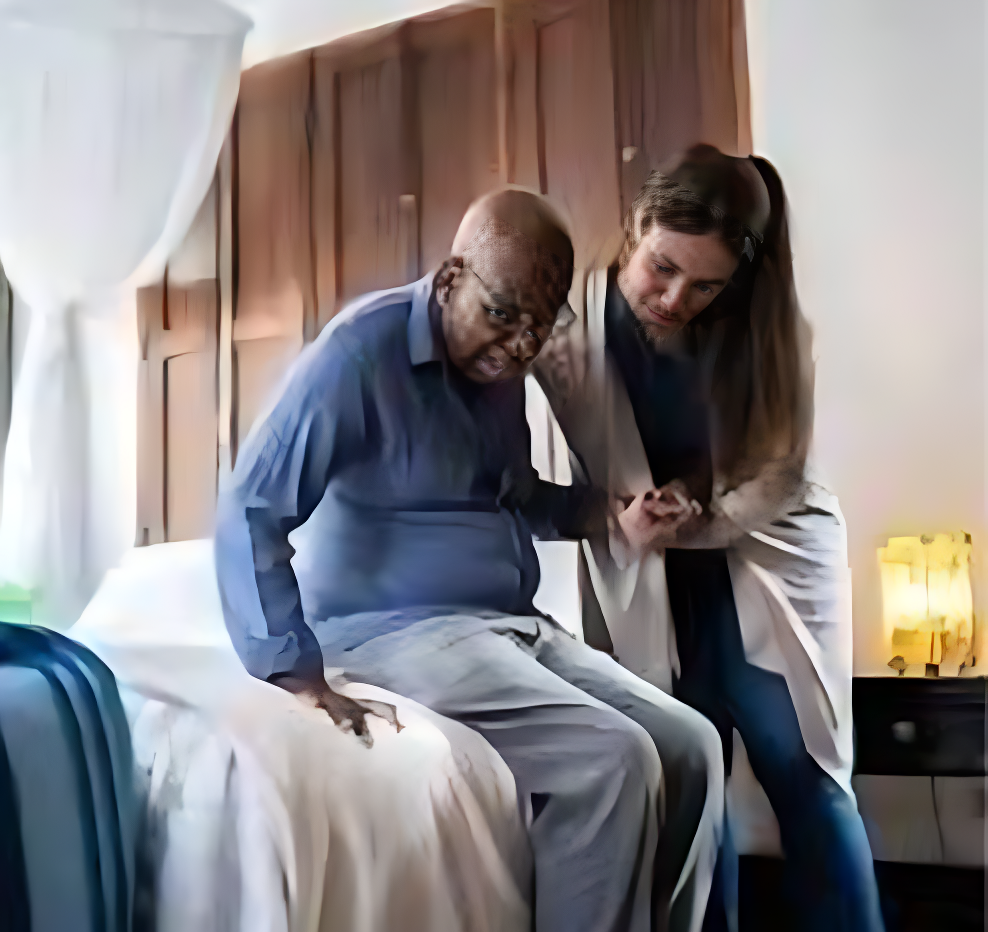
         As people age, they experience a range of physical obstacles including chronic health conditions, reduced mobility and cognitive decline. These impact their independence and quality of life. Singing for Health and Well- Being can assist seniors in meeting these challenges.
“In older adults, arts engagement appears to encourage health promoting behaviors  (physical and mental stimulation, social engagement, self-mastery, and stress  reduction) that can help prevent cognitive decline and address frailty and palliative  care through strengths-based arts interventions. Prevention can have profound effects  on individual quality of life and on the cost of healthcare.” 
“The accompanying benefits of participating in group musicking served as a motivation  to participate which in turn increased physical activity, range of motion, and muscle  retention as well as the ability to cope with general aches and pains.” 

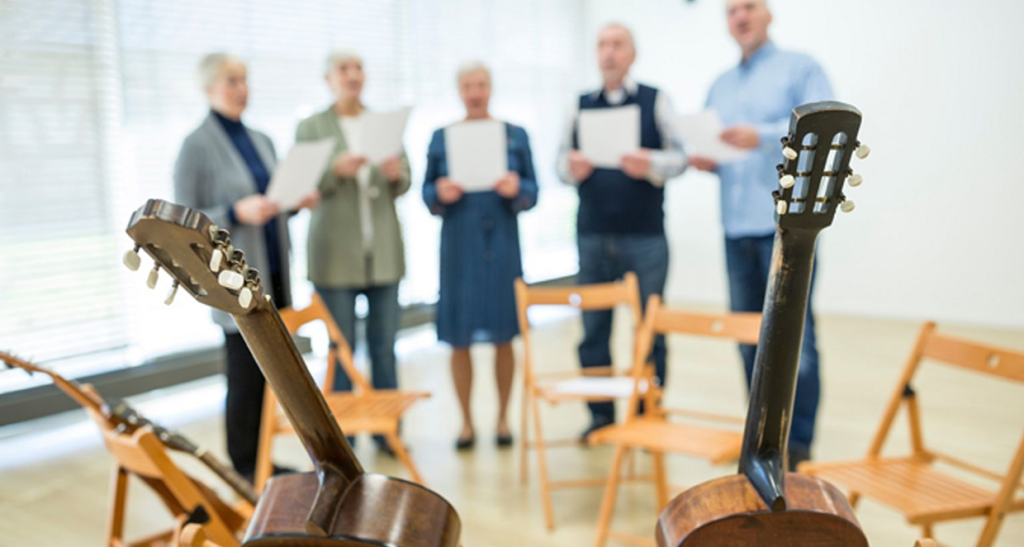
Singing Together

         Singing together has been shown to improve the lives of senior adults.
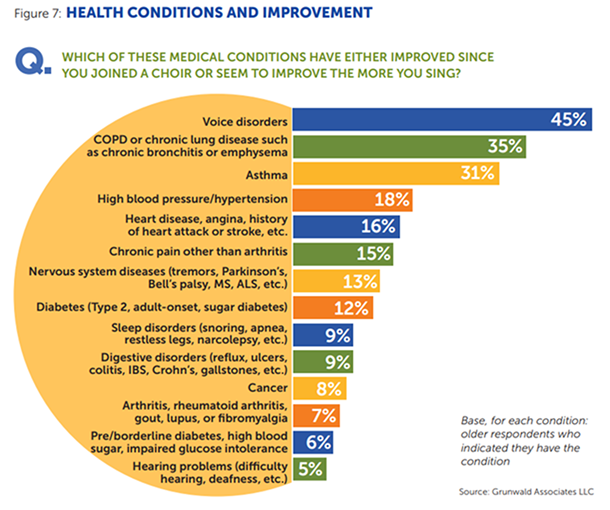
People who sing together experience firsthand the positive impact doing so has on their physical, mental, and social health. 
“Substantial documentation demonstrates the physical and mental gains that occur when people create music   together either through singing or playing an instrument.”
“In qualitative interviews, participants expressed that the singing group had a significant impact on their physical, emotional and social wellbeing.”
Feelings of isolation, vulnerability and frailty are among the challenges that can  compound illness for older people. Research suggests that active participation in the  arts and learning promotes physical health and enhances a sense of well-being  among older adults; improves quality of life for those who are ill; and reduces the risk  factors that lead to the need for long-term care. Singing for Health is a way many  seniors can enrich their lives, use their brain, improve their health and create  community.” 

Physical Benefits of Senior Singing

“Findings comparing older choristers (65+) to older Americans in general suggest that choral singing may be an important way to help older Americans remain active and stay healthier longer.

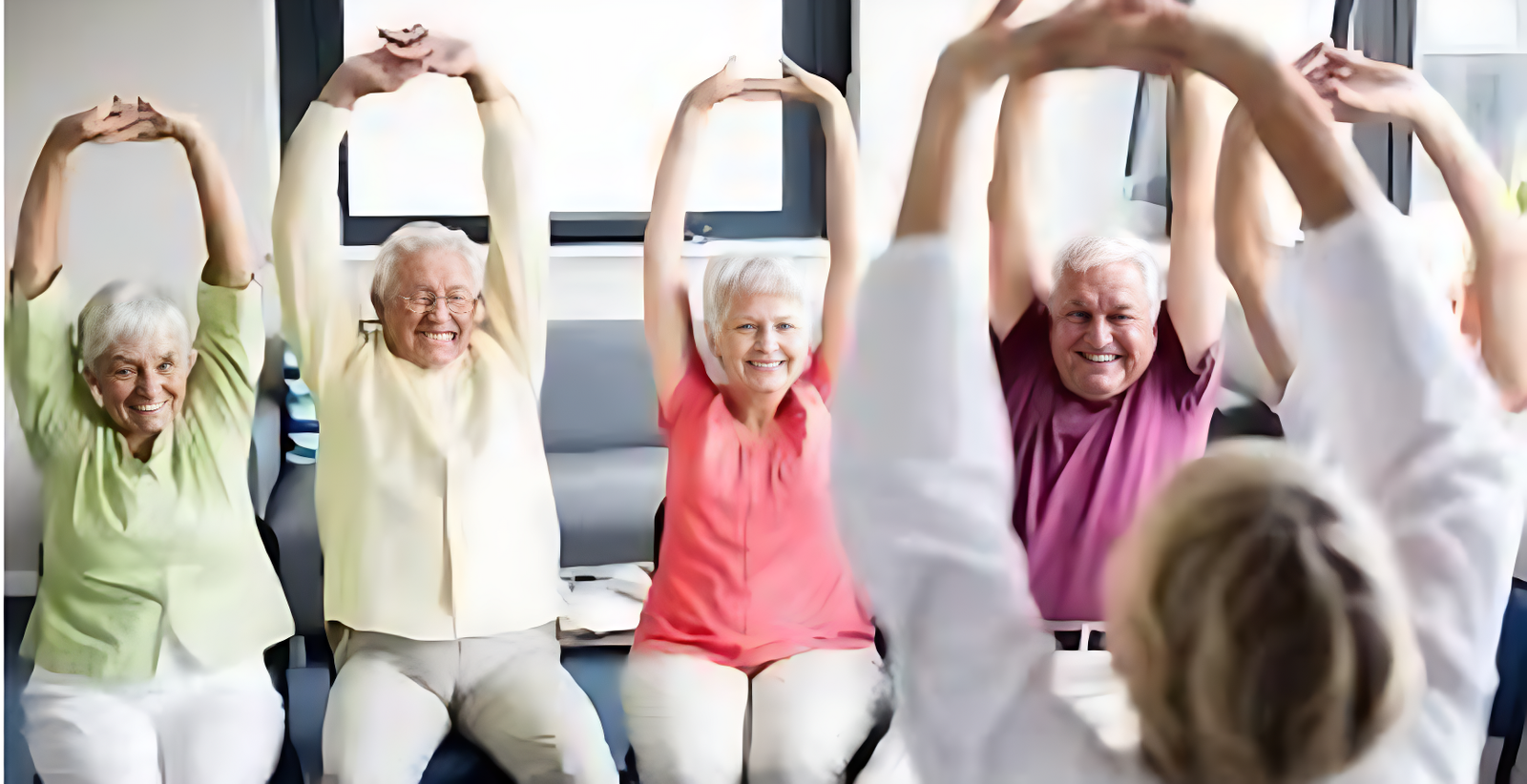
Promotes Moving

Singing is aerobic in that it is a form of exercise that improves the efficiency of the body’s cardiovascular system, with related benefits to overall health. 
“The study determined that when some seniors were feeling ‘too bad’ to undertake an  activity, singing together in a group offered a pronounced motivative force to  encourage sharing in the community. The accompanying benefits of participating in  group musicking served as a motivation to participate which in turn increased physical  activity, range of motion, and muscle retention as well as the ability to cope with  general aches and pains.” 

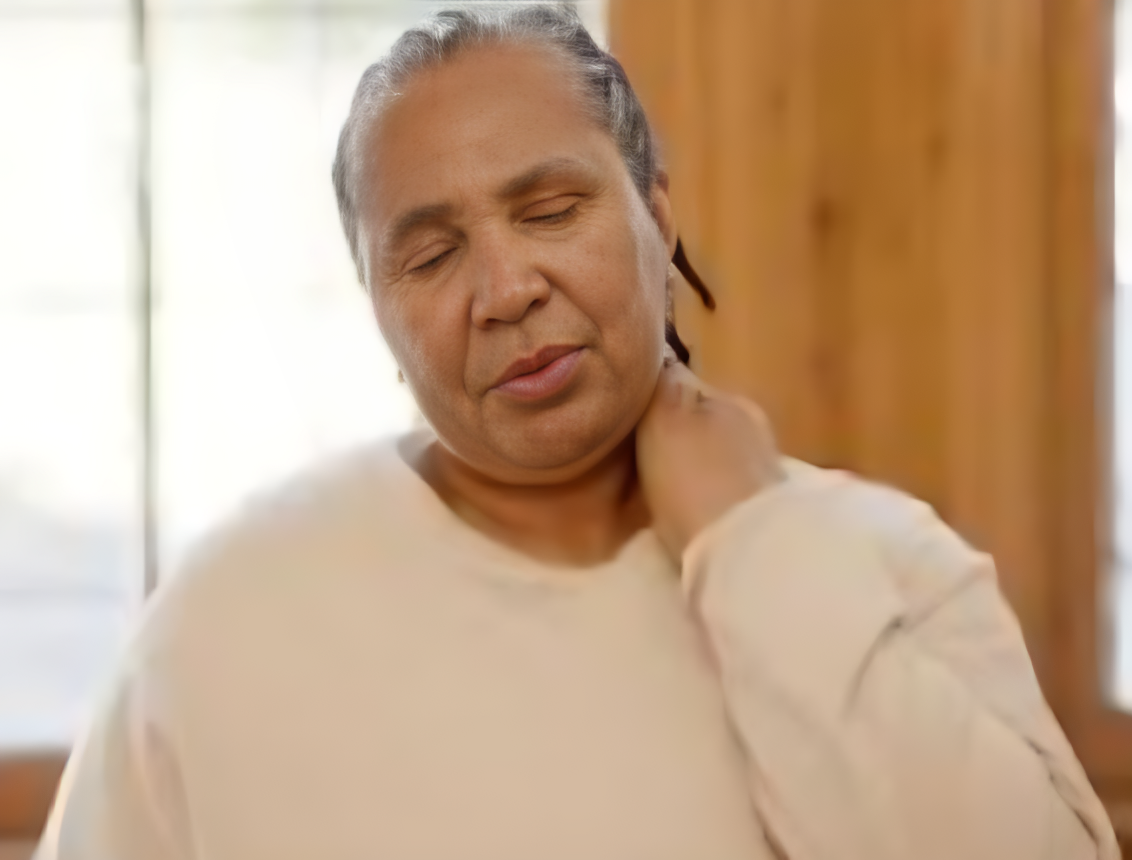
Reduces Pain

“Group singing appears to have the potential to reduce pain intensity,  pain interference and depression.”
“Patients shared responses to music participation including: “Even though we’re all down with pain, we’ve all created a happy moment,” and “Really rewarding to just be me and not my condition. I’ve felt like me again.”
“Results show that online group singing … leads to improvements in mood, decreased pain…
“The accompanying benefits of participating in group musicking ….increased physical activity, range of motion, and muscle retention as well as  the ability to cope with general aches and pains.” 

Increases Immune Function

“Several research studies also suggest that singing together can bolster the immune system, and that singing together may even counter symptoms of colds and flu. Results after participatory singing show the immune response has, “a significant increase in secretory immunoglobulin A (1gA) associated with an enhanced immune function specifically in respiratory function.” 
“…singing boosts the immune-enhancing function results in more T cells (lymphocytes) fighting off infections and more NK (natural killer) cells”
“Several research studies also suggest that singing together can bolster the immune system, and that singing together may even counter symptoms of colds and flu both in Senior Adult and general populations.”

Senior Adult Mental, Psychological & Cognitive Health

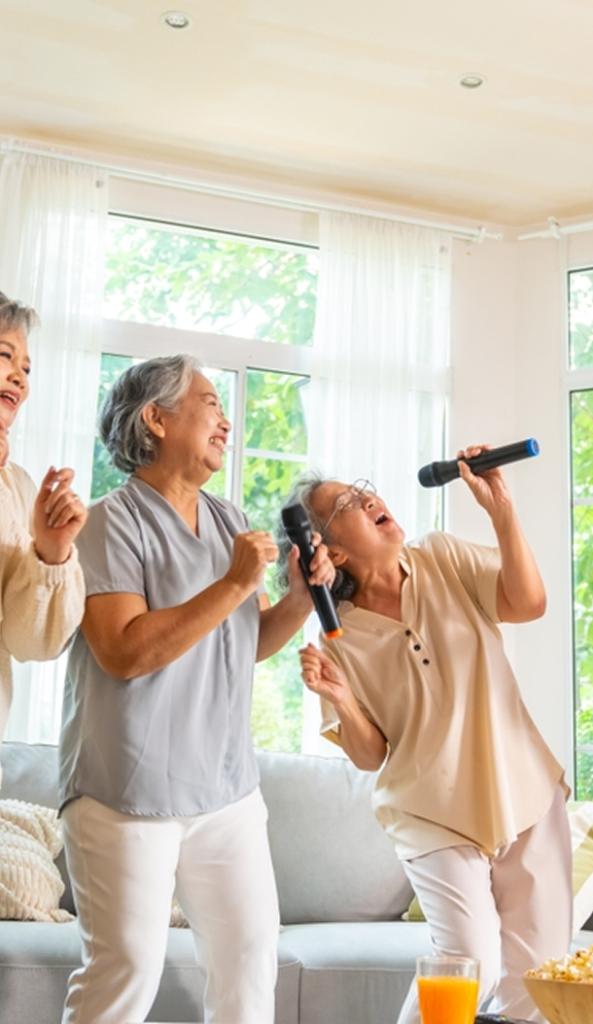
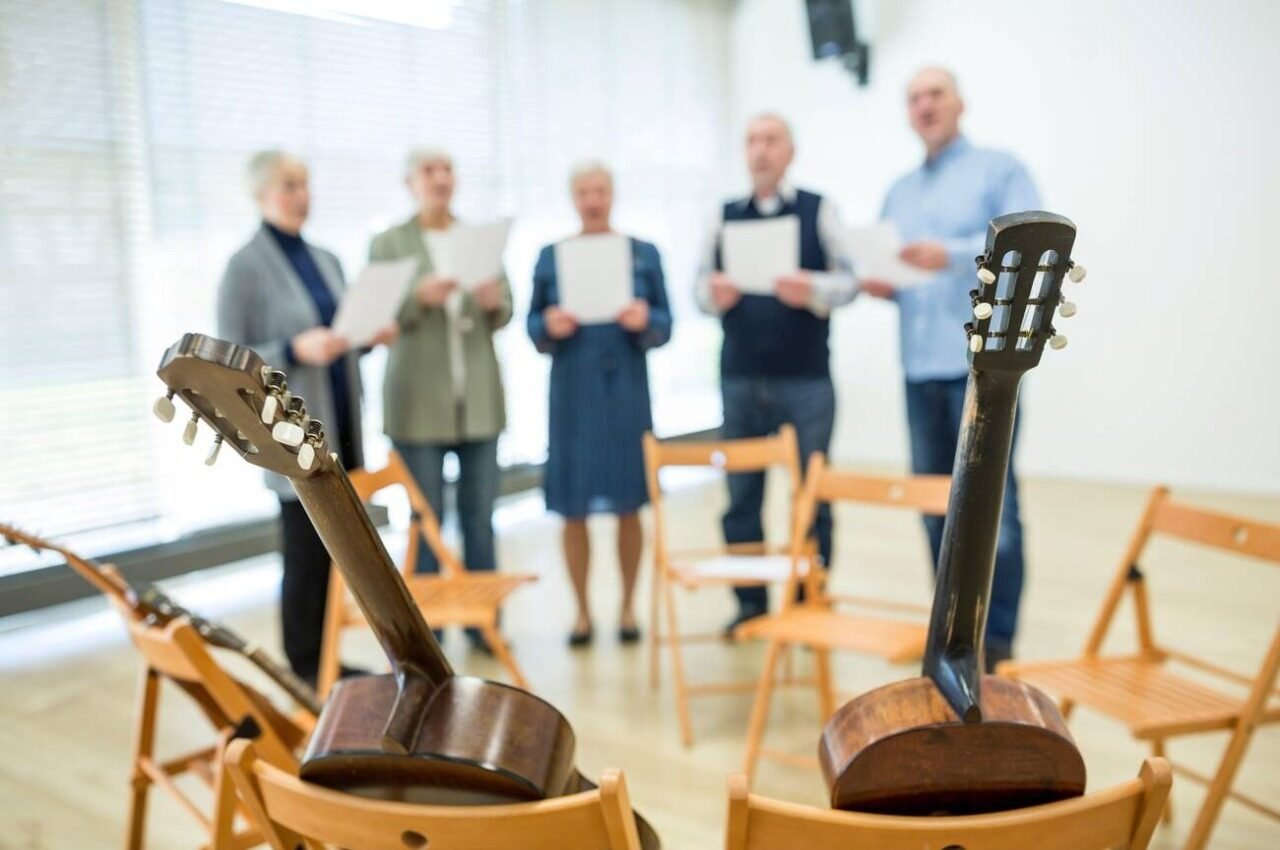
Singing in a group benefits senior adults
with more advantages than just better breathing
Social Connection

“Additional results show that online group singing leads to improvements in mood, decreased pain, decreased salivary cortisol, and an increased feelings of connection with the group and the world as a whole.” 
“Additional results show that online group singing … leads to improvements in mood, decreased pain, decreased salivary cortisol, and increased feelings of connection with the group and the world as a whole.”
“Meeting socially with others of like-mind, making new friends, and receiving peer support in the local community counteract loneliness felt from isolation.”

Cognitive Benefits

“The physical action of singing and its related breathing mechanisms rely upon moving air in and out of the body, which can then improve oxygenation and positively affect the cognitive health of Senior Adult’s by slowing the mental decline often associated with aging, thereby leading to a potentially increased rate of mental information processing.”
“In the brain, music engages multiple cognitive, motor, emotional, and social processes mediated by a wide-scale, largely bilateral network of cortical and subcortical brain regions In the neuropsychological testing, choir singers  performed better than controls on the verbal flexibility domain of executive  function…” 

Improved Mood

“Current research suggests that participation in music making activities also elicits physicochemical responses such as an increase of dopamine and neurotransmitter levels. Both singing in a group and the anticipation of the event once an established exercise, can lead to, “feelings of euphoria, and craving, and may explain why music is of such high value across all human societies.”
“In addition to the release of dopamine creating a pleasant feeling, researchers have identified the potential for a reduction of levels of cortisol, a stress indicator, after engaging in singing  activities. Surprisingly, this lowered cortisol level occurred even in those people who participated in the study but do not  claim to even enjoy singing.”
“…similarity with others in the group and a decrease in levels of distress and  anxiety. Results show that online group singing… leads to improvements in  mood, decreased pain, decreased salivary cortisol, and increased feelings of  connection with the group and the world as a whole.”
“Group singing appears to have the potential to reduce pain intensity, pain interference and depression.
“Our research suggests that singing plays an important role in singers’ lives,  contributing to positive personal qualities like optimism, resilience, and mindfulness,  and to their feelings of connection to others.

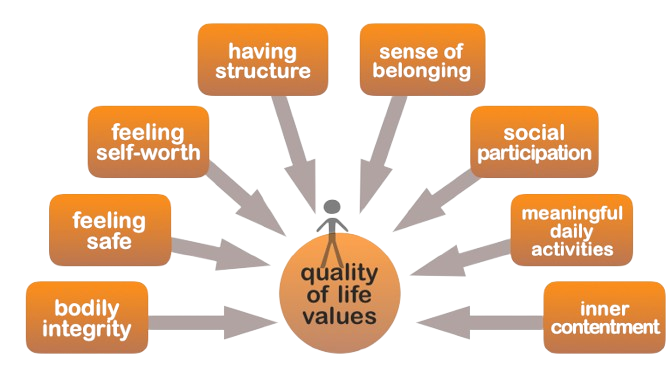
Quality of Life

“’Additional therapeutic options such as singing together could act on “alternative biochemical targets,” among them dopamine. Significant improvements in perceived quality of life were noted as a result of singing group interaction.”
“Meeting socially with others of like-mind, making new friends, and receiving peer support in the local community counteract loneliness felt from isolation.”
“…for senior citizens’ service providers, regular musical participation opportunities… available for the long term… to connect with senior citizens’ inner selves, others, and their past, present, and future lives.” 
“…opportunities to sing together also builds self-confidence and bolsters self-esteem”
“The study determined that when some seniors were feeling ‘too bad’ to undertake and activity, singing together in a group offered a pronounced motivative force to encourage sharing in the community. The evidence from individual testimonies of specific benefits further highlighted a more nuanced account of individual motivations, satisfaction, preferences, and changing experiences over time, as well as explanations of the mechanisms through which singing promotes well-being and health.”