Extensive research, study, an Internship in the UK and multiple pilot programs all contributed to creating Breath Song current courses. The research provided here on our site, as well as 100’s of other references, have informed each step of program development.

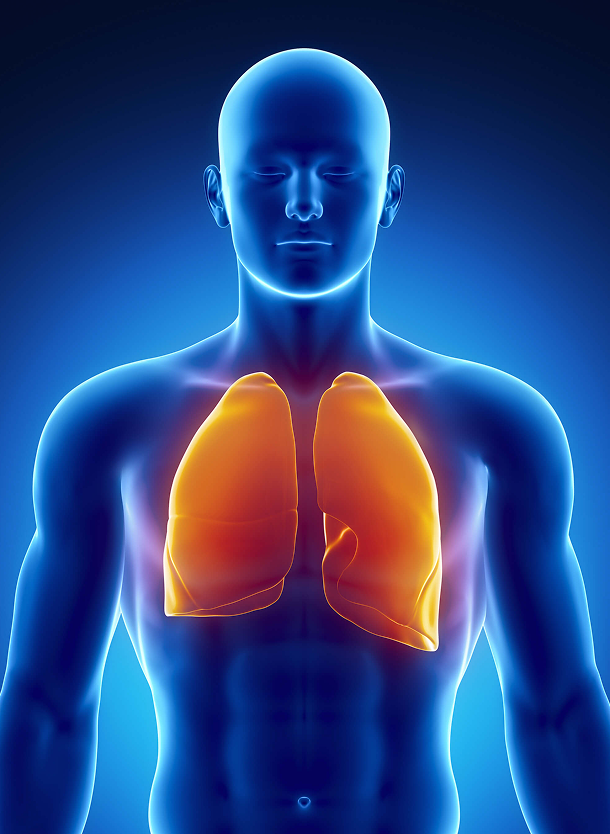
Lung disease/ dysfunction is qualified as any problem in the lungs that prevents them from working properly. Many of these conditions cause low blood oxygen levels, shortness of breath and fatigue, and can contribute to other more significant health problems.
1. “Can singing have a beneficial effect on lung function and breathing for people with respiratory illness?” S. Clift and R. Gilbert, (2017). In G. Welch, D. M. Howard, and J. Nix (eds) The Oxford Handbook of Singing, Oxford University Press, 889.
“The deep breathing needed (utilized) by singers has recently been shown to aid those with lung illness and could benefit many with reduced lung function who would like to improve their breathing.”
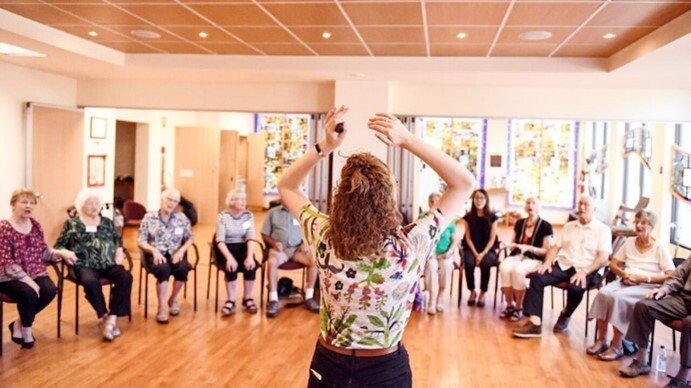
2. “Community singing groups for people with chronic obstructive pulmonary disease: participant perspectives” A. Skingley., S. Clift, S. Hurley, S. Price, L. Stephens, January 2018 Vol 138 No 1 l Perspectives in Public Health – ISSN 1757-9139 DOI: 10.1177/1757913917740930
“When asked whether singing had made a difference to their breathing, 27 of the 37 responding participants replied affirmatively, including all six of the participants not diagnosed with COPD.”
“Singing for Lung Health (SLH – based in the UK) is a program that uses singing to help people with chronic respiratory conditions improve their breathing and quality of life. SLH programs teach breathing control and posture techniques and combine them with group singing. These programs can help people feel less breathless and use their blue inhalers less often.”
“Breathlessness, respiratory infections and fatigue affect pulmonary function and in turn, daily living activities. Beneficial effects of lung capacity in terms of voice (A) and exhalation duration (S and counting numbers). A choral singing intervention could then be an alternative or a complement to pulmonary rehabilitation or could be a way of maintaining quality of life.”
1. “Changes in mood, oxytocin, and cortisol following group and individual singing: A pilot study.” Good, A., & Russo, F. A. (2021). Psychology of Music, 50(4), 1340-1347.https://doi.org/ 10.1177/0305735 6211042668 (Original work published 2022)
“One theoretical account, focusing on the social aspect of group singing, suggests that this mood-boost may be driven by shared goals and the coordination of activity across the group (joint action), leading to increases in social bonding (Dunbar, 2012; Mogan et al., 2019).”
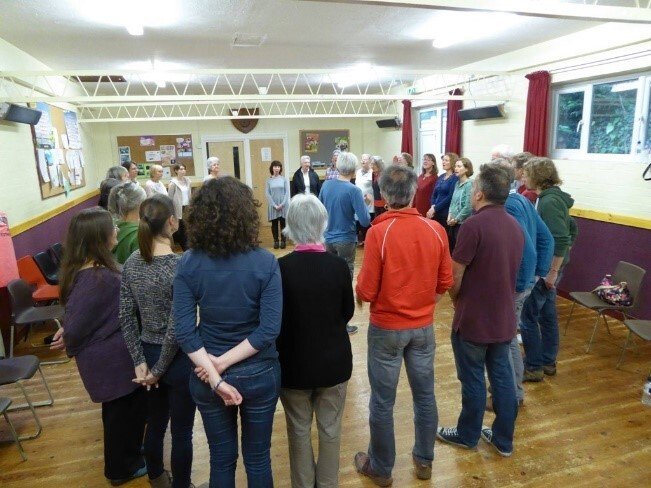
“The study determined that when some seniors were feeling ‘too bad’ to undertake and activity, singing together in a group offered a pronounced motivative force to encourage sharing in the community. The accompanying benefits of participating in group musicking served as a motivation to participate which in turn increased physical activity, range of motion, and muscle retention as well as the ability to cope with general aches and pains.”
“Community singing groups are an example of social prescribing that addresses social determinants of health and loneliness through non-clinical services. Research has demonstrated group singing’s numerous psychosocial benefits… Before and after the 12-week program, psychosocial wellbeing was assessed through a series of questionnaires, including scales for loneliness, social connectedness, quality of life, and severity of respiratory disease. We also tested participants before and after 60 minutes of singing to gauge mood, social bonding, and states of anxiety.
Additionally, we measured biosocial indicators including heart rate variability and levels of salivary cortisol and/or oxytocin. Preliminary results show that before and after 60 minutes of singing, participants reported: Increases in feelings of trust, liking, connection, and similarity with others in the group. Decreases in levels of distress and anxiety. In qualitative interviews, participants expressed that the singing group had a significant impact on their physical, emotional and social wellbeing.”
“When we sing with others, our oxytocin levels tend to rise, which helps strengthen feelings of connection and empathy among group members. This is one reason why singing in a choir or group can foster a sense of community and reduce feelings of loneliness.”

Changes to the bones and muscles of the chest and spine:
Bones become thinner and change shape. This can change the shape of your ribcage. As a result, your ribcage may not expand and contract as well during breathing. The muscle that supports your breathing, the diaphragm, becomes weakened. This weakness may prevent you from breathing enough air in or out. These changes in your bones and muscles may lower the oxygen level in your body. Also, less carbon dioxide may be removed from your body. Symptoms such as tiredness and shortness of breath can result.
Changes to lung tissue:
Muscles and other tissues that are near your airways may lose their ability to keep the airways completely open. This causes the airways to close easily. Aging also causes the air sacs to lose their shape and become baggy. These changes in lung tissue can allow air to get trapped in your lungs. Too little oxygen may enter your blood vessels and less carbon dioxide may be removed. This makes it hard to breathe.
Changes to the nervous system:
The part of the brain that controls breathing may lose some of its function, weakening the automatic breathing functions. When this happens, your lungs are not able to get enough oxygen. Not enough carbon dioxide may leave the lungs. Breathing may get more difficult.
Nerves in your airways that trigger coughing become less sensitive. Large amounts of particles like smoke or germs may collect in the lungs and may be hard to cough up.
Changes to the immune system:
Your immune system can get weaker. This means your body is less able to fight lung infections and other diseases. Your lungs are also less able to recover after exposure to smoke or other harmful particles.
COMMON PROBLEMS
As a result of these changes, older people are at increased risk for:
· Lung infections, such as pneumonia and bronchitis
· Shortness of breath
· Low oxygen level
· Abnormal breathing patterns, resulting in problems such as sleep apnea (episodes of stopped breathing during sleep)
2. “Caregiver Guide: Breathing Problems”
For Senior Adults, age-related changes in lung function can cause breathing problems and chronic respiratory issues or medical conditions.
There are several natural body changes that happen as you get older that may cause age-related breathing struggles and a decline in lung capacity. Muscles that assist with breathing such as the diaphragm can get weaker. Lung tissue that helps keep your airways open can lose elasticity, which means your airways can get a little smaller. Your rib cage bones can change and get smaller, which leaves less room for your lungs to expand.